

What is the absorbency of a canvas roll?
Hey there! As a canvas roll supplier, I often get asked about the absorbency of canvas rolls. It's a super important factor, especially for artists, crafters, and even those in the signage and display industries. So, let's dive right into it and figure out what absorbency in canvas rolls is all about.
First off, what exactly is absorbency? In the context of canvas rolls, absorbency refers to how well the canvas can soak up and hold onto substances like paint, ink, or other liquids. Different types of canvas have different absorbency levels, and this can greatly affect the final outcome of your project.
Let's start with Cotton Canvas. Cotton canvas is a popular choice among artists. It has a relatively high absorbency rate. This is because cotton fibers have a porous structure. When you apply paint or ink to a cotton canvas, the liquid seeps into the tiny spaces between the fibers. This allows for a deep and rich color saturation. For oil painters, cotton canvas is a dream. The oil paint can penetrate the canvas, creating a long - lasting and beautiful finish. The absorbency also helps in preventing the paint from pooling on the surface, which could lead to uneven drying and a less professional look.
However, the high absorbency of cotton canvas can also be a double - edged sword. If you're using water - based paints, too much absorbency might cause the colors to spread out more than you'd like, making it a bit challenging to achieve sharp lines and detailed work. Also, because it absorbs so much, you might need to use more paint to get the desired coverage.
Next up is Polyester Mix Cotton Canvas. This type of canvas combines the best of both worlds. The cotton in the mix gives it some absorbency, while the polyester adds durability and a smoother surface. The absorbency of polyester mix cotton canvas is lower than that of pure cotton canvas. This means that when you apply paint, it tends to stay more on the surface. For artists who want more control over their paint application, this can be a great option. It's also a good choice for projects where you need to create a more modern, sleek look. The reduced absorbency allows for more precise lines and less bleeding of colors.
On the other hand, Oil Canvas is specifically designed for oil painting. It has a unique absorbency that is optimized for oil - based paints. Oil canvas is usually primed to control the absorbency. The primer creates a barrier that allows the oil paint to sit on the surface while still being absorbed enough to adhere properly. This results in a beautiful, glossy finish that oil painters love. The absorbency of oil canvas is carefully balanced to ensure that the paint dries evenly and doesn't crack over time.
So, how does absorbency affect your choice of canvas? Well, it depends on your project. If you're an artist who loves to work with thick, textured paints, like impasto, a high - absorbency canvas like cotton might be your best bet. The canvas can handle the large amount of paint and help it dry properly. But if you're doing detailed work, such as miniatures or digital - style paintings, a canvas with lower absorbency, like polyester mix cotton, would be more suitable.
For those in the signage and display industry, absorbency also plays a crucial role. If you're printing on canvas, a canvas with the right absorbency will ensure that the ink adheres well and doesn't smudge. A canvas that is too absorbent might cause the ink to spread, resulting in a blurry image. On the other hand, a canvas with too little absorbency might not hold the ink at all, leading to a poor - quality print.
Another factor to consider is the cost. High - absorbency canvases often require more paint or ink, which can increase the overall cost of your project. So, it's important to find a balance between the absorbency you need and your budget.
When it comes to maintaining the absorbency of your canvas, there are a few things you can do. First, store your canvas in a dry place. Moisture can affect the absorbency of the canvas. If the canvas gets wet, it might lose its ability to absorb paint or ink properly. Also, make sure to handle the canvas carefully. Rough handling can damage the fibers, which can in turn affect the absorbency.

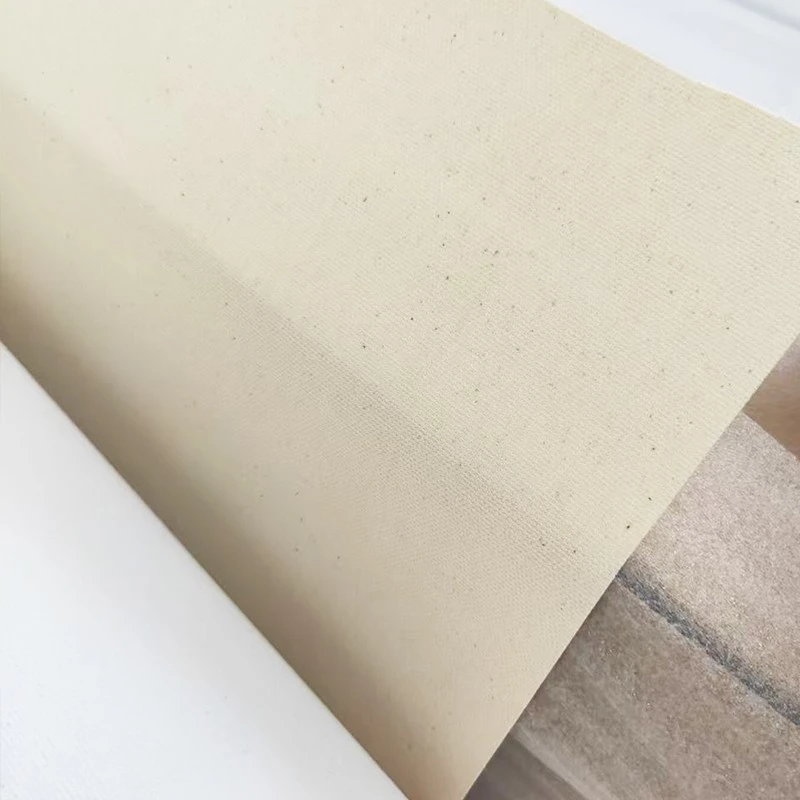
In conclusion, the absorbency of a canvas roll is a key factor that can greatly impact your project. Whether you're an artist, a crafter, or in the signage industry, understanding the absorbency of different types of canvas is essential for achieving the best results. If you're looking for high - quality canvas rolls with the right absorbency for your needs, don't hesitate to reach out. We're here to help you find the perfect canvas for your next project.
If you're interested in purchasing canvas rolls or have any questions about absorbency or our products, feel free to contact us for a detailed discussion. We're more than happy to assist you in making the right choice.
References:
- General knowledge of canvas materials and their properties from years of experience in the canvas roll supply business.
- Industry research on the effects of absorbency on different types of canvas and their applications.