

Applying Black PPF on a Painted Surface: A Comprehensive Guide
As a supplier of Black PPF, I often receive inquiries from customers about whether it's possible to apply Black PPF on a painted surface. The answer is yes, and in this blog post, I'll delve into the details of this process, the benefits, and some important considerations.
Understanding Black PPF
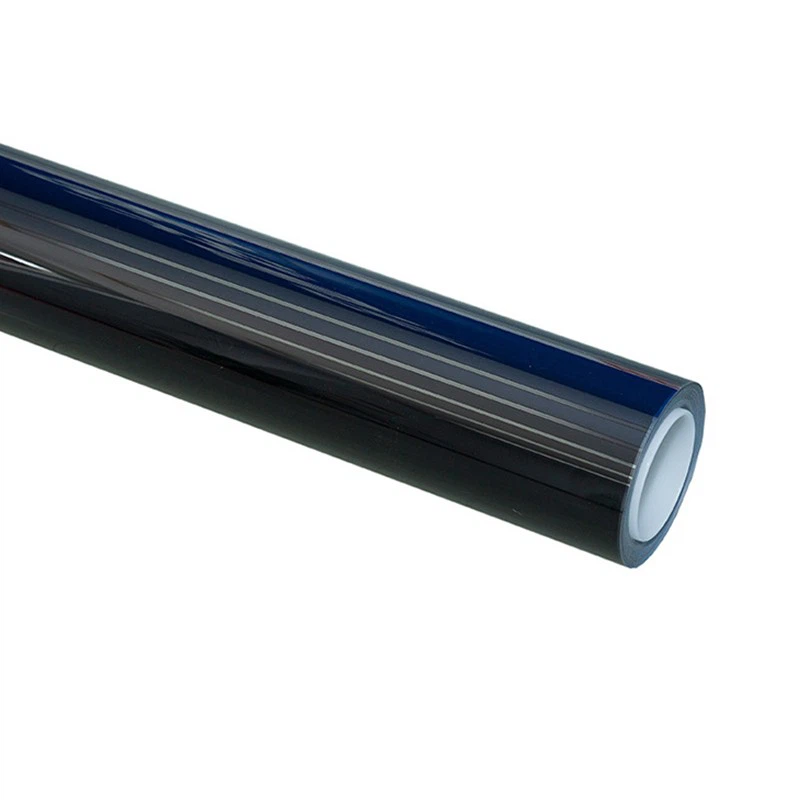
Black PPF, or Paint Protection Film, is a clear, thermoplastic urethane film that is applied to the painted surfaces of vehicles to protect them from scratches, chips, and other forms of damage. The "black" in Black PPF refers to its ability to give the vehicle a sleek, black appearance, enhancing its aesthetic appeal. You can learn more about Black PPF here.
Why Apply Black PPF on a Painted Surface?
There are several reasons why you might want to apply Black PPF on a painted surface:
1. Protection
The primary function of PPF is protection. It acts as a sacrificial layer, absorbing the impact of stones, debris, and other road hazards that could otherwise damage the vehicle's paint. By applying Black PPF, you can keep your vehicle's paint looking new for longer.
2. Aesthetics
Black PPF can transform the look of your vehicle. It gives a glossy, black finish that can make your car stand out on the road. Whether you have a sports car, a sedan, or an SUV, Black PPF can enhance its overall appearance.
3. Resale Value
A vehicle with a well - protected paint job is likely to have a higher resale value. By applying Black PPF, you are not only protecting your investment in the short term but also increasing its value in the long run.
Can You Apply Black PPF on a Painted Surface?
Yes, you can apply Black PPF on a painted surface. However, there are some important steps and considerations to keep in mind:
Surface Preparation
Before applying Black PPF, the painted surface must be thoroughly cleaned and prepared. This involves removing any dirt, grease, wax, or other contaminants from the surface. A clean surface ensures that the PPF adheres properly and provides the best protection.
Compatibility
It's important to ensure that the Black PPF is compatible with the paint on your vehicle. Most modern PPFs are designed to be compatible with a wide range of automotive paints, but it's always a good idea to test a small area first.
Professional Installation
While it is possible to install Black PPF yourself, it is recommended to have it installed by a professional. Professional installers have the experience and tools necessary to ensure a smooth, bubble - free installation. They can also handle any complex curves or contours on the vehicle's surface.
The Application Process
The application process of Black PPF on a painted surface typically involves the following steps:
1. Surface Cleaning
As mentioned earlier, the surface must be cleaned thoroughly. This may involve using a specialized automotive cleaner and a microfiber cloth to remove all dirt and debris.
2. Measuring and Cutting
The PPF is measured and cut to fit the specific areas of the vehicle. This requires precision to ensure a perfect fit.
3. Application
The PPF is then applied to the painted surface. A solution of water and a small amount of soap is often used to help position the film and remove any air bubbles. The film is carefully smoothed out using a squeegee or a similar tool.
4. Trimming
After the PPF is applied, any excess film is trimmed off to give a clean, professional look.

Maintenance of Black PPF
Once the Black PPF is applied, it requires some maintenance to ensure its longevity:
Regular Cleaning
The PPF should be cleaned regularly using a mild automotive cleaner and a soft microfiber cloth. Avoid using abrasive cleaners or tools that could scratch the film.
Waxing
While waxing is not necessary for the protection of the PPF, it can enhance its appearance. Use a wax that is compatible with PPF.
Inspection
Periodically inspect the PPF for any signs of damage or lifting. If you notice any issues, it's important to address them promptly.
Considerations and Limitations
While Black PPF offers many benefits, there are some considerations and limitations:
Cost
The cost of applying Black PPF can be relatively high, especially for a full - vehicle installation. However, when you consider the long - term protection and aesthetic benefits, it can be a worthwhile investment.
Removal
If you decide to remove the Black PPF in the future, it can be a challenging process. It's important to have it removed by a professional to avoid damaging the paint.
Environmental Factors
Extreme heat or cold can affect the performance of the PPF. In very hot weather, the film may become more flexible, while in cold weather, it may become more brittle.
Conclusion
In conclusion, applying Black PPF on a painted surface is not only possible but also offers many benefits in terms of protection and aesthetics. As a Black PPF supplier, I am committed to providing high - quality products and ensuring that our customers have all the information they need to make an informed decision.
If you are interested in purchasing Black PPF for your vehicle, I encourage you to reach out to us for a consultation. We can discuss your specific needs and provide you with a quote. Our team of experts is ready to assist you in achieving the best results for your vehicle.
References
- "Automotive Paint Protection Film: A Technical Overview" - Journal of Automotive Technology
- "The Benefits of Paint Protection Film" - Automotive World Magazine