

When it comes to wall coverings, there is a wide array of options available in the market, each with its own set of characteristics, aesthetics, and practicalities. As a foam board supplier, I've had the privilege of witnessing firsthand the growing popularity of foam board wall cladding and how it stacks up against other traditional and modern wall coverings. In this blog, I'll delve into a detailed comparison to help you understand how foam board wall cladding looks in contrast to other alternatives.
1. Paint
Paint is perhaps the most common and traditional wall covering option. It offers a vast range of colors and finishes, from matte to high - gloss, allowing for a high degree of customization. A freshly painted wall can give a room a clean, bright, and modern look. However, over time, paint can show signs of wear, such as chipping, peeling, or fading, especially in high - traffic areas or rooms exposed to sunlight.
Foam board wall cladding, on the other hand, presents a more three - dimensional and textured appearance. It can mimic the look of natural materials like wood or stone with a high level of realism. Unlike paint, foam board is resistant to chipping and peeling. The surface of foam board can be designed to have a consistent finish throughout, and it doesn't fade as easily as paint. For example, if you want to create a rustic wood - paneled look, foam board can replicate the grain and texture of real wood, giving a more authentic and long - lasting aesthetic.
2. Wallpaper
Wallpaper comes in a variety of patterns, textures, and materials, from vinyl to grasscloth. It can add a unique and decorative touch to a room, whether it's a bold geometric pattern for a modern space or a floral design for a more traditional look. However, wallpaper installation can be tricky, and if not done properly, it can lead to bubbles, seams showing, or peeling at the edges.
Foam board wall cladding offers a more straightforward installation process. It can be easily cut to size and attached to the wall, often with minimal tools. In terms of appearance, foam board can provide a more substantial and durable look compared to wallpaper. Wallpaper may look thin and flimsy in some cases, while foam board gives the impression of a solid and well - constructed wall covering. Additionally, foam board can be used to create a more seamless look, as it can be installed in large panels without the need for visible seams like wallpaper.

3. Wood Paneling
Wood paneling has a classic and warm look that can instantly make a room feel cozy and inviting. Real wood paneling, however, can be expensive, and it requires regular maintenance to prevent warping, cracking, or insect damage. Engineered wood paneling is a more affordable alternative, but it may not have the same natural beauty and durability as real wood.
Foam board wall cladding can mimic the look of wood paneling at a fraction of the cost. It can be designed with realistic wood grain patterns and colors, providing a similar aesthetic appeal. Moreover, foam board is lightweight, which makes it easier to install and handle compared to heavy wood panels. It is also resistant to moisture and pests, eliminating the need for the extensive maintenance that wood paneling requires. For example, in a bathroom or a basement where moisture is a concern, foam board wall cladding can be a better choice than wood paneling.
4. Stone Veneer
Stone veneer is a popular choice for creating a luxurious and natural look on walls. It can add a sense of grandeur and sophistication to a space. However, real stone veneer is heavy, which can require additional structural support during installation. It is also expensive and may require professional installation.
Foam board wall cladding can replicate the look of stone veneer with a much lighter weight and lower cost. It can be designed to have the same texture and color variations as real stone, such as the rough surface of natural limestone or the smooth finish of marble. The lightweight nature of foam board makes it easier to install on different types of walls without the need for extensive structural modifications. It also offers the advantage of being more resistant to cracking and chipping compared to real stone veneer.
5. Tile
Tile is a versatile wall covering option that can be used in various rooms, from kitchens to bathrooms. It comes in a wide range of sizes, shapes, and colors, allowing for endless design possibilities. However, tile installation can be time - consuming and requires a high level of skill to ensure a proper and even finish. Grout lines can also be a maintenance challenge, as they can become dirty and discolored over time.
Foam board wall cladding can mimic the look of tile, such as subway tile or mosaic tile, with a more simplified installation process. It doesn't require grout, which eliminates the need for regular grout cleaning. The surface of foam board can be smooth and easy to clean, similar to tile. In addition, foam board can be used to create a more continuous and seamless look compared to tile, as there are no visible grout lines to break up the pattern.
6. Paper Foam Board
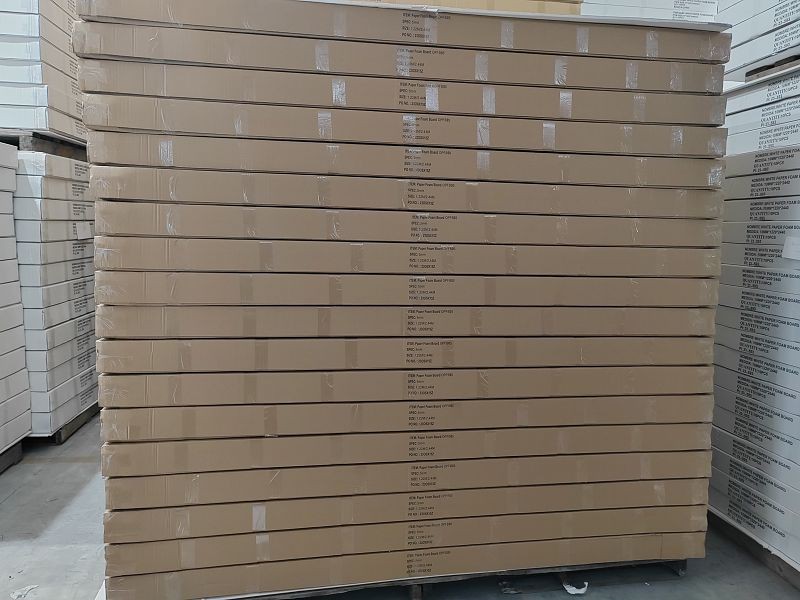
If you're looking for a more lightweight and eco - friendly option, Paper Foam Board is an excellent choice. It has a unique texture and appearance that can add a touch of naturalness to a room. Paper foam board is made from recycled paper materials, which makes it a sustainable option. It can be used for both interior and exterior wall cladding, providing a soft and warm look.
Compared to other wall coverings, paper foam board offers a more organic and rustic aesthetic. It can be painted or left in its natural state to showcase its unique texture. Its lightweight nature makes it easy to install, and it is also relatively inexpensive. However, it may not be as durable as some of the other foam board options or traditional wall coverings, so it is more suitable for low - traffic areas or temporary installations.
In conclusion, foam board wall cladding offers a unique combination of aesthetics, affordability, and practicality. It can mimic the look of various traditional wall coverings while providing advantages such as easy installation, durability, and resistance to wear and tear. Whether you're looking for a modern, rustic, or luxurious look for your walls, foam board wall cladding can be a great option.
If you're interested in exploring foam board wall cladding for your next project, I encourage you to reach out for a consultation. We can discuss your specific needs, design preferences, and budget to find the perfect foam board solution for you. Let's start a conversation about how foam board can transform your space.
References
- Interior Design Magazine: "Wall Covering Trends and Comparisons"
- Construction Materials Handbook: "Properties and Applications of Different Wall Coverings"
- DIY Home Improvement Guides: "Installation and Maintenance of Wall Coverings"