

When it comes to 3D printing, the choice of materials plays a crucial role in determining the success of the project. Acrylic sheets, known for their transparency, durability, and versatility, have become a popular option for 3D printing enthusiasts and professionals alike. As an acrylic sheet supplier, I have witnessed firsthand the growing demand for these materials in the 3D printing industry. In this blog post, I will discuss the requirements for 3D printing with acrylic sheets, including material selection, printer settings, and post-processing techniques.
Material Selection
The first step in 3D printing with acrylic sheets is to choose the right material. Acrylic sheets come in various thicknesses, colors, and finishes, each with its own set of properties and characteristics. When selecting an acrylic sheet for 3D printing, it is important to consider the following factors:
- Thickness: The thickness of the acrylic sheet will depend on the specific requirements of your 3D printing project. Thicker sheets are generally more durable and can withstand higher temperatures, but they may also be more difficult to print with. Thinner sheets, on the other hand, are more flexible and easier to manipulate, but they may not be as strong or durable.
- Color: Acrylic sheets are available in a wide range of colors, including clear, opaque, and translucent. The color of the acrylic sheet will depend on the aesthetic requirements of your 3D printing project. Clear acrylic sheets are ideal for applications where transparency is important, such as display cases and windows. Opaque acrylic sheets are better suited for applications where privacy or color is desired, such as signage and decorative items.
- Finish: Acrylic sheets can be finished in a variety of ways, including polished, matte, and textured. The finish of the acrylic sheet will depend on the desired look and feel of your 3D printing project. Polished acrylic sheets have a smooth, shiny surface that is ideal for applications where a high level of clarity and reflection is desired. Matte acrylic sheets have a dull, non-reflective surface that is better suited for applications where a more subdued look is desired. Textured acrylic sheets have a rough, uneven surface that can add a unique tactile element to your 3D printing project.
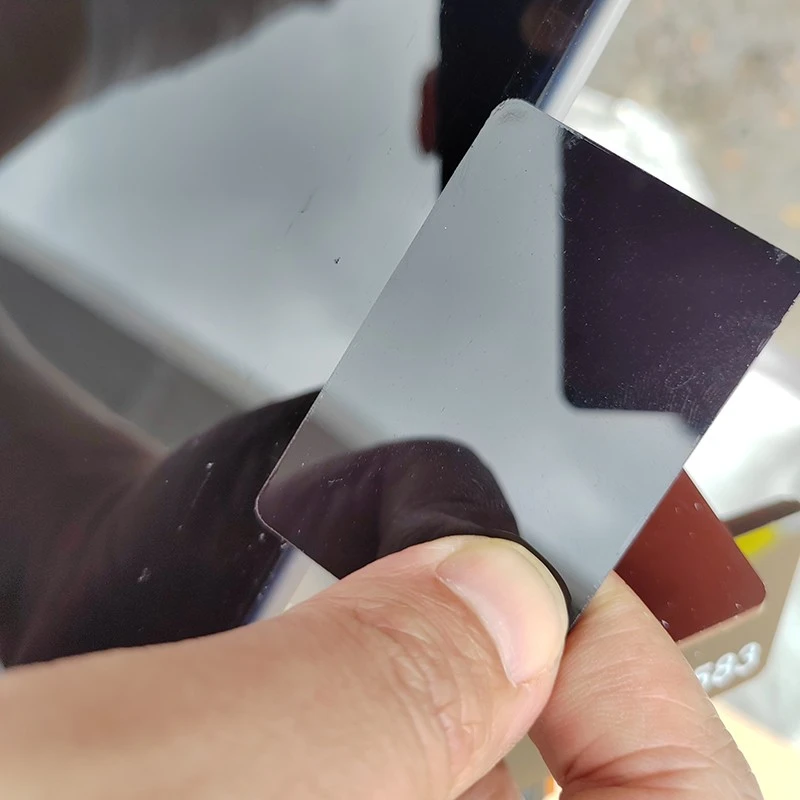
As an acrylic sheet supplier, I recommend using Clear Acrylic Sheet for 3D printing projects that require high transparency and clarity. Clear acrylic sheets are made from a high-quality acrylic material that is resistant to scratches, UV rays, and yellowing. They are also easy to cut, shape, and bond, making them a popular choice for a wide range of 3D printing applications.
Printer Settings
Once you have selected the right acrylic sheet for your 3D printing project, the next step is to set up your 3D printer. The printer settings will depend on the specific model of your 3D printer and the type of acrylic sheet you are using. Here are some general tips for setting up your 3D printer for acrylic sheet printing:
- Temperature: Acrylic sheets have a relatively low melting point, so it is important to set the temperature of your 3D printer accordingly. The recommended temperature for printing with acrylic sheets is between 220°C and 240°C. However, you may need to adjust the temperature depending on the specific type of acrylic sheet you are using.
- Print Speed: The print speed of your 3D printer will also affect the quality of your 3D printed object. It is recommended to print at a slow speed to ensure that the acrylic sheet is properly melted and bonded. A print speed of 20-30 mm/s is generally recommended for acrylic sheet printing.
- Layer Height: The layer height of your 3D printer will determine the level of detail and smoothness of your 3D printed object. A smaller layer height will result in a more detailed and smooth surface, but it will also increase the printing time. A layer height of 0.2-0.3 mm is generally recommended for acrylic sheet printing.
- Bed Adhesion: Acrylic sheets can be difficult to print on, especially if the bed of your 3D printer is not properly prepared. To ensure good bed adhesion, it is recommended to use a heated bed and apply a thin layer of glue stick or hairspray to the bed surface. You can also use a build plate made of glass or aluminum to improve bed adhesion.
Post-Processing Techniques
After your 3D printed object is complete, the next step is to post-process it to improve its appearance and durability. Here are some common post-processing techniques for 3D printed acrylic objects:
- Sanding: Sanding is a common post-processing technique used to smooth the surface of 3D printed acrylic objects. You can use sandpaper with different grits to sand the surface of your object until it is smooth and free of any rough edges or bumps.
- Polishing: Polishing is another post-processing technique used to improve the appearance of 3D printed acrylic objects. You can use a polishing compound and a soft cloth to polish the surface of your object until it is shiny and reflective.
- Painting: Painting is a popular post-processing technique used to add color and texture to 3D printed acrylic objects. You can use acrylic paint or spray paint to paint the surface of your object. Make sure to use a primer before painting to ensure good adhesion.
- Bonding: Bonding is a post-processing technique used to join two or more 3D printed acrylic objects together. You can use a special acrylic adhesive to bond the objects together. Make sure to follow the instructions on the adhesive carefully to ensure a strong and durable bond.
Conclusion
3D printing with acrylic sheets is a great way to create unique and innovative objects. However, it is important to choose the right material, set up your 3D printer correctly, and use the appropriate post-processing techniques to ensure the success of your 3D printing project. As an acrylic sheet supplier, I am committed to providing high-quality acrylic sheets and excellent customer service to help you achieve your 3D printing goals. If you have any questions or need further information about 3D printing with acrylic sheets, please do not hesitate to contact me. I look forward to working with you!

References
- "Acrylic Sheets: Properties, Applications, and Processing." Plastics Technology, 2021.
- "3D Printing with Acrylic: A Comprehensive Guide." All3DP, 2021.
- "How to Print on Acrylic Sheets with a 3D Printer." Instructables, 2021.