Introduction
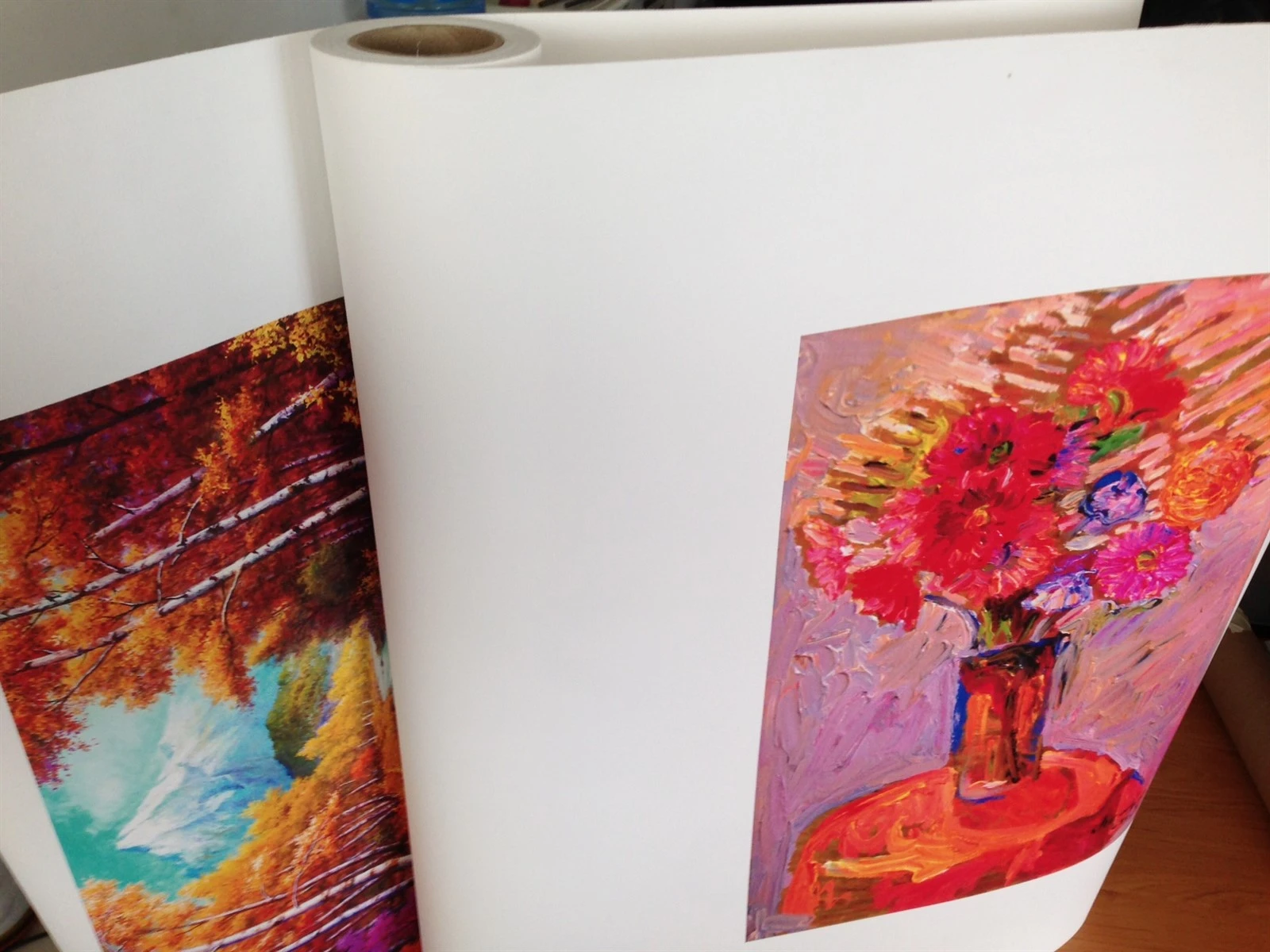
In the vast landscape of artistic and practical materials, cotton canvas rolls stand as a classic choice. Renowned for their versatility, affordability, and natural charm, they have been a staple for artists, crafters, and various industries for centuries. In this blog, we'll explore the many facets of cotton canvas rolls, from their composition and unique properties to their diverse applications and how to select the perfect one for your needs.
Understanding Cotton Canvas Rolls
Cotton canvas rolls are made from the fibers of the cotton plant. These fibers are spun into yarns and then woven together to create a sturdy, fabric - like material. The weaving process gives the canvas its characteristic texture and strength. Unlike synthetic alternatives, cotton canvas offers a warm, natural aesthetic that many find appealing.
Key Properties of Cotton Canvas Rolls
Texture and Tooth
One of the most distinctive features of cotton canvas is its texture. It has a certain "tooth," which refers to the small bumps and irregularities on its surface. This tooth provides a grip for paint, pastels, and other artistic mediums, allowing them to adhere well. Artists often appreciate this quality as it can add depth and interest to their work. The texture can range from relatively smooth for more detailed work to coarser for a more rustic or textured effect.
Absorbency
Cotton is a highly absorbent material. In the context of a canvas roll, this means it can soak up paint, ink, and other liquids quite effectively. This property can be both an advantage and a challenge. On the plus side, it allows for rich, vibrant color application as the paint is absorbed evenly. However, it may require more layers of paint or a primer to prevent the paint from soaking too deeply into the canvas and losing its intensity.
Breathability
Another benefit of cotton canvas is its breathability. The natural fibers allow air to circulate, which can be beneficial in various applications. For example, in the creation of artworks that are stored or displayed in humid environments, the breathability of the cotton canvas can help prevent the growth of mold and mildew. In the case of using cotton canvas for making bags or clothing items, it also provides comfort by allowing the skin to breathe.
Advantages of Using Cotton Canvas Rolls
Affordability
Cotton canvas rolls are often more budget - friendly compared to some other types of canvases, such as linen. This makes them an excellent choice for beginners, students, or those working on large - scale projects where cost can be a significant factor. Despite its lower cost, cotton canvas still offers good quality and performance for a wide range of applications.
Versatility
The versatility of cotton canvas rolls is truly remarkable. In the art world, it can be used for oil painting, acrylic painting, watercolor painting (with proper preparation), and even drawing. Outside of art, it is commonly used in the manufacturing of bags, tents, awnings, and upholstery. Its adaptability to different techniques and uses makes it a go - to material for many.
Ease of Handling
Cotton canvas is relatively easy to handle. It can be cut, sewn, and stretched without too much difficulty. When stretching a cotton canvas onto a frame for painting, it conforms well to the frame, and the natural fibers can be adjusted and tightened to achieve a smooth surface. This ease of handling makes it suitable for both novice and experienced users.
Applications of Cotton Canvas Rolls
Artistic Applications
- Painting: Cotton canvas is a popular choice for oil painters. The absorbency of the canvas helps the oil paint adhere and dry evenly, creating a beautiful, long - lasting finish. Acrylic painters also appreciate cotton canvas as it provides a good surface for building up layers of color. For watercolor painting, a pre - treated or primed cotton canvas can be used to prevent the paper - like absorbency from causing the colors to bleed too much.
- Drawing: Artists can use cotton canvas for charcoal, pastel, and pencil drawings. The tooth of the canvas gives the drawing medium something to grip onto, resulting in a more textured and interesting drawing.
Craft and DIY Projects
- Bag Making: Cotton canvas is a favorite material for making tote bags, backpacks, and handbags. Its strength and durability can withstand the daily wear and tear of carrying items, and it can be easily customized with different colors, prints, and embellishments.
- Home Decor: In home decor, cotton canvas can be used to create wall hangings, cushion covers, and tablecloths. Its natural look can add a touch of warmth and style to any room.
Industrial and Commercial Uses
- Tent and Awning Manufacturing: The durability and weather - resistance of cotton canvas (especially when treated) make it suitable for making tents and awnings. It can protect against sunlight, wind, and light rain, providing a reliable shelter.
- Upholstery: Cotton canvas is used in upholstery to cover furniture. It offers a comfortable and breathable surface for seating and can be found in a variety of colors and patterns to match different interior designs.
Choosing the Right Cotton Canvas Roll
Weight
Cotton canvas rolls come in different weights, usually measured in ounces per square yard. Lighter - weight canvases, around 8 - 10 ounces per square yard, are more flexible and may be suitable for smaller artworks, delicate projects, or applications where a softer feel is desired. Heavier - weight canvases, typically 12 - 18 ounces per square yard, are more durable and better for large - scale paintings, outdoor use, or projects that require the canvas to hold its shape.
Priming
Consider whether the cotton canvas roll is pre - primed. A primed canvas has a layer of gesso or other primer applied to it, which helps to seal the canvas fibers and create a better surface for painting. If you're planning to use the canvas for painting, a pre - primed roll can save you time and effort. However, if you prefer to prime the canvas yourself to achieve a specific texture or finish, an unprimed roll may be a better choice.
Quality of Cotton
The quality of the cotton used in the canvas can vary. Higher - quality cotton will result in a more consistent texture, better durability, and a more professional - looking finish. Look for cotton canvas rolls made from long - staple cotton, as it generally produces a stronger and smoother fabric. Reading product reviews and choosing products from reputable manufacturers can also help ensure you get a high - quality cotton canvas roll.
Conclusion
Cotton canvas rolls are a timeless and versatile material that offers a wealth of possibilities for artists, crafters, and industries. Whether you're creating a masterpiece, working on a DIY project, or manufacturing industrial products, the right cotton canvas roll can make all the difference. By understanding its properties, advantages, applications, and how to choose the best one, you can fully embrace the allure of cotton canvas and bring your creative visions to life.