

When it comes to working with acrylic sheets, one of the most crucial aspects is choosing the right glue. As a supplier of high - quality acrylic sheets, I've seen firsthand the impact that the appropriate adhesive can have on the success of a project. In this blog, I'll explore the different types of glues available for acrylic sheets and help you determine which one is the best fit for your specific needs.
Solvent - Based Glues
Solvent - based glues are a popular choice for bonding acrylic sheets. These glues work by dissolving the surface of the acrylic, allowing the two pieces to fuse together at a molecular level. One of the main advantages of solvent - based glues is the strong and permanent bond they create. Once the solvent evaporates, the bond becomes incredibly durable, often as strong as the acrylic itself.
One well - known solvent - based glue is methylene chloride. It has a relatively fast drying time, which is beneficial for projects where time is of the essence. However, it's important to note that methylene chloride is a hazardous chemical. It has strong fumes that can be harmful if inhaled, so proper ventilation is essential when using this type of glue. You should also wear appropriate protective gear, such as gloves and a respirator.
Another solvent - based option is chloroform. Similar to methylene chloride, chloroform can create a very strong bond between acrylic sheets. It has a slower evaporation rate compared to methylene chloride, which gives you more time to position the sheets accurately before the bond sets. But like methylene chloride, chloroform is also toxic and requires careful handling.
Epoxy Glues
Epoxy glues are two - part adhesives that consist of a resin and a hardener. When these two components are mixed together, a chemical reaction occurs, resulting in a strong and rigid bond. Epoxy glues are known for their excellent adhesion to a variety of materials, including acrylic.
One of the benefits of epoxy glues is their versatility. They can be used for both structural and non - structural applications. For example, if you're creating a large acrylic display that needs to support a significant amount of weight, an epoxy glue can provide the necessary strength. Epoxy glues also have good resistance to heat, chemicals, and moisture, making them suitable for outdoor applications.
However, epoxy glues do have some drawbacks. They typically have a longer curing time compared to solvent - based glues. This means you'll need to be patient and ensure that the bonded pieces are held in place for an extended period. Additionally, epoxy glues can be more expensive than some other types of adhesives.
Cyanoacrylate Glues
Cyanoacrylate glues, also known as super glues, are fast - acting adhesives that bond quickly to acrylic sheets. These glues work by reacting with moisture in the air or on the surface of the material, forming a strong bond in a matter of seconds.
The main advantage of cyanoacrylate glues is their speed. They're ideal for small - scale projects or for making quick repairs. For example, if you have a small crack in an acrylic sheet, a cyanoacrylate glue can fix it almost instantly. Cyanoacrylate glues also have good adhesion to acrylic and can provide a relatively strong bond.
On the downside, cyanoacrylate glues are brittle and may not be suitable for applications where the bonded joint will be subjected to a lot of stress or movement. They also have limited gap - filling capabilities. If the surfaces to be bonded are not perfectly aligned or if there is a significant gap between them, the bond may not be as strong.
UV - Curing Glues
UV - curing glues are a relatively new type of adhesive for acrylic sheets. These glues are activated by ultraviolet light, which causes a chemical reaction that hardens the glue.
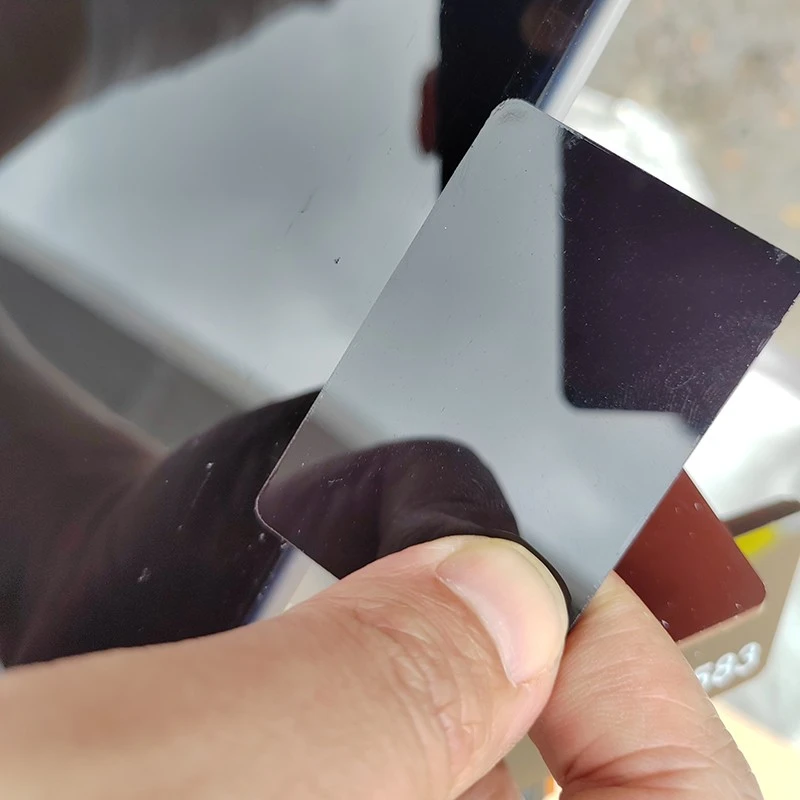

One of the key advantages of UV - curing glues is their fast curing time. Once exposed to UV light, the glue can harden in a matter of seconds or minutes, depending on the specific product. This makes them very efficient for high - volume production processes. UV - curing glues also have excellent clarity, which is important for applications where transparency is a requirement, such as in Clear Acrylic Sheet.
However, UV - curing glues require special equipment, such as a UV lamp, to activate the curing process. This can add to the cost and complexity of the bonding process. Additionally, if the UV light does not reach all areas of the glue, the curing may be incomplete, resulting in a weaker bond.
Choosing the Best Glue for Your Project
When deciding which type of glue is best for your acrylic sheet project, several factors need to be considered:
Bond Strength
If you need a very strong and permanent bond, such as for a load - bearing structure, solvent - based glues or epoxy glues are likely your best options. Solvent - based glues create a molecular bond with the acrylic, while epoxy glues offer high - strength adhesion and good resistance to various forces.
Curing Time
For projects that require a quick turnaround, cyanoacrylate glues or UV - curing glues are more suitable. Cyanoacrylate glues bond almost instantly, and UV - curing glues can be cured rapidly with the right equipment. If you have more time and can wait for the glue to cure, solvent - based or epoxy glues may be a better choice, as they often provide stronger bonds.
Application Method
The application method also plays a role in choosing the glue. Solvent - based glues are typically applied with a brush or a syringe, while epoxy glues require careful mixing of the resin and hardener. Cyanoacrylate glues come in small bottles with a fine tip for precise application, and UV - curing glues need to be applied in a way that allows for proper exposure to UV light.
Environmental Conditions
Consider the environmental conditions in which the bonded acrylic sheets will be used. If the project will be exposed to heat, chemicals, or moisture, epoxy glues are a good option due to their excellent resistance properties. For outdoor applications, UV - curing glues can be a great choice as long as they are properly cured and protected from further UV damage.
As a supplier of acrylic sheets, I understand the importance of using the right glue to ensure the success of your project. Whether you're a DIY enthusiast or a professional in the industry, choosing the appropriate adhesive can make all the difference. If you're unsure which glue is best for your specific needs, I'm here to help. Feel free to reach out to me to discuss your project requirements and get advice on the best glue for your acrylic sheets. We can also provide you with high - quality acrylic sheets that are suitable for a wide range of applications. Contact me to start a conversation about your next project and explore the possibilities of working with acrylic sheets.
References
- "Adhesives for Acrylic Plastics" - Plastics Technology Handbook
- "Guide to Bonding Acrylic Materials" - Industry Research Report
- "Comparative Study of Different Adhesives for Acrylic Sheets" - Journal of Materials Science and Engineering