

As a supplier of Black PPF, I often encounter inquiries about its various properties, and one of the most frequently asked questions is, "What is the thickness of Black PPF?" In this blog post, I'll delve into the details of Black PPF thickness, its significance, and how it can impact your projects.
Understanding Black PPF
Before we dive into the thickness aspect, let's briefly understand what Black PPF is. Black PPF, or Black Paint Protection Film, is a specialized type of film designed to protect the painted surfaces of vehicles, boats, and other objects from scratches, chips, and environmental damage. It is made from a durable thermoplastic urethane material that is highly resistant to abrasion and UV rays. The black color not only provides protection but also adds a sleek and stylish look to the protected surface. You can learn more about Black PPF on our website: Black PPF.
The Importance of Thickness
The thickness of Black PPF plays a crucial role in its performance and durability. A thicker film generally offers better protection against scratches, chips, and other forms of damage. It can withstand more impact and abrasion, making it ideal for high-traffic areas or objects that are exposed to harsh conditions. On the other hand, a thinner film may be more flexible and easier to install, but it may not provide the same level of protection as a thicker one.
Standard Thicknesses
Black PPF is available in a range of thicknesses, typically measured in mils (thousandths of an inch). The most common thicknesses for Black PPF are 6 mil, 8 mil, and 10 mil. Here's a breakdown of each thickness and its recommended applications:

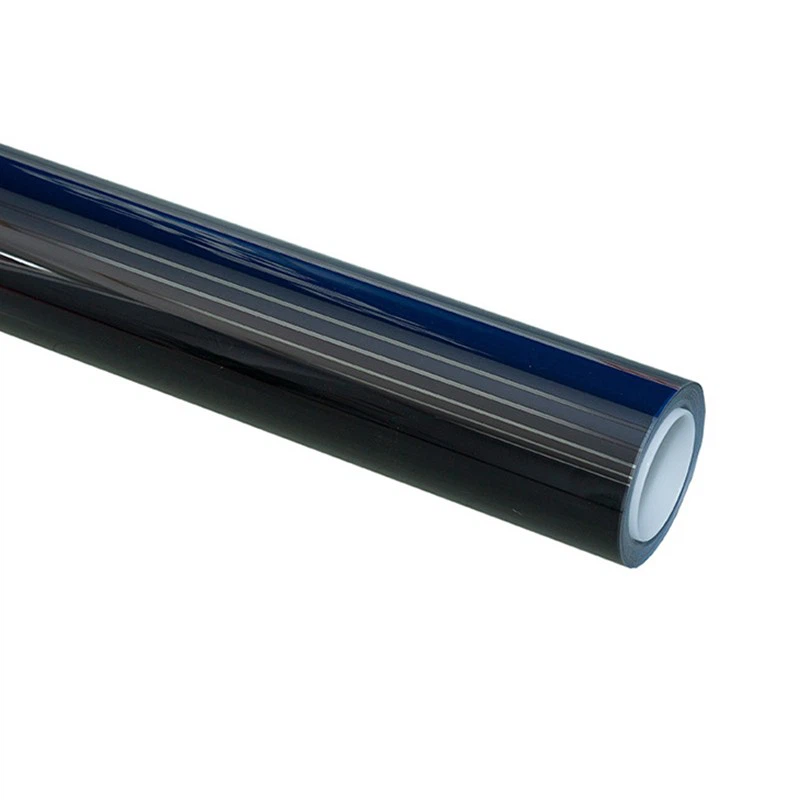
- 6 mil: This is the thinnest option available and is often used for applications where flexibility and ease of installation are important. It is suitable for areas that are less likely to be exposed to heavy impact or abrasion, such as the hood, fenders, and doors of a vehicle.
- 8 mil: This is the most popular thickness for Black PPF and offers a good balance between protection and flexibility. It is suitable for a wide range of applications, including the front end of a vehicle, which is more likely to be exposed to rocks, debris, and other hazards.
- 10 mil: This is the thickest option available and provides the highest level of protection. It is ideal for applications where maximum protection is required, such as the bumpers, rocker panels, and lower parts of a vehicle.
Factors to Consider When Choosing Thickness
When choosing the thickness of Black PPF for your project, there are several factors to consider:
- Application: Consider the specific area or object that you want to protect. If it is a high-traffic area or is exposed to harsh conditions, a thicker film may be necessary.
- Budget: Thicker films generally cost more than thinner ones. Consider your budget and choose the thickness that provides the best balance between protection and cost.
- Installation: Thicker films may be more difficult to install than thinner ones. If you are planning to install the film yourself, you may want to choose a thinner film that is easier to work with.
How Thickness Affects Performance
The thickness of Black PPF can have a significant impact on its performance in several ways:
- Scratch Resistance: A thicker film is more resistant to scratches and abrasions than a thinner one. It can withstand more impact and is less likely to be damaged by rocks, debris, and other hazards.
- Chip Resistance: A thicker film can also provide better protection against chips and dents. It can absorb the impact of small rocks and other objects and prevent them from damaging the painted surface.
- UV Resistance: The thickness of Black PPF can also affect its UV resistance. A thicker film can provide better protection against UV rays, which can cause the paint to fade and crack over time.
- Clarity: Thicker films may be slightly less clear than thinner ones. However, this difference is usually negligible and is not noticeable in most applications.
Installation Considerations
When installing Black PPF, it is important to choose the right thickness for the application and to follow the manufacturer's installation instructions carefully. Here are some installation considerations to keep in mind:
- Surface Preparation: The surface to be protected must be clean, dry, and free of any dirt, grease, or wax. This will ensure that the film adheres properly and provides maximum protection.
- Temperature: The temperature of the surface and the film should be between 60°F and 80°F during installation. This will ensure that the film is flexible and easy to work with.
- Tools: You will need a few basic tools to install Black PPF, including a spray bottle, a squeegee, a heat gun, and a utility knife. Make sure you have all the necessary tools before you start the installation process.
- Technique: The installation technique is crucial for a successful installation. Make sure you follow the manufacturer's instructions carefully and take your time to ensure that the film is applied smoothly and evenly.
Conclusion
In conclusion, the thickness of Black PPF is an important factor to consider when choosing a film for your project. A thicker film generally offers better protection against scratches, chips, and other forms of damage, but it may also be more difficult to install and more expensive. When choosing the thickness of Black PPF, consider the specific application, your budget, and the installation requirements. By choosing the right thickness and following the manufacturer's installation instructions carefully, you can ensure that your Black PPF provides maximum protection and a sleek, stylish look for your vehicle or other object.
If you have any questions or would like to discuss your Black PPF needs further, please don't hesitate to contact us. We are a leading supplier of Black PPF and can provide you with the highest quality products and expert advice. Let's start a conversation about how we can meet your protection and aesthetic needs!
References
- Automotive Paint Protection Film Industry Reports
- Manufacturer's Technical Specifications for Black PPF