

In the industrial and commercial sectors, both white films and white powders are common materials, yet they possess distinct characteristics that set them apart. As a supplier of white films, I am often asked about the differences between these two forms of white substances. This blog aims to provide a detailed comparison to help you understand their unique features, applications, and advantages.
Physical Properties
White Film
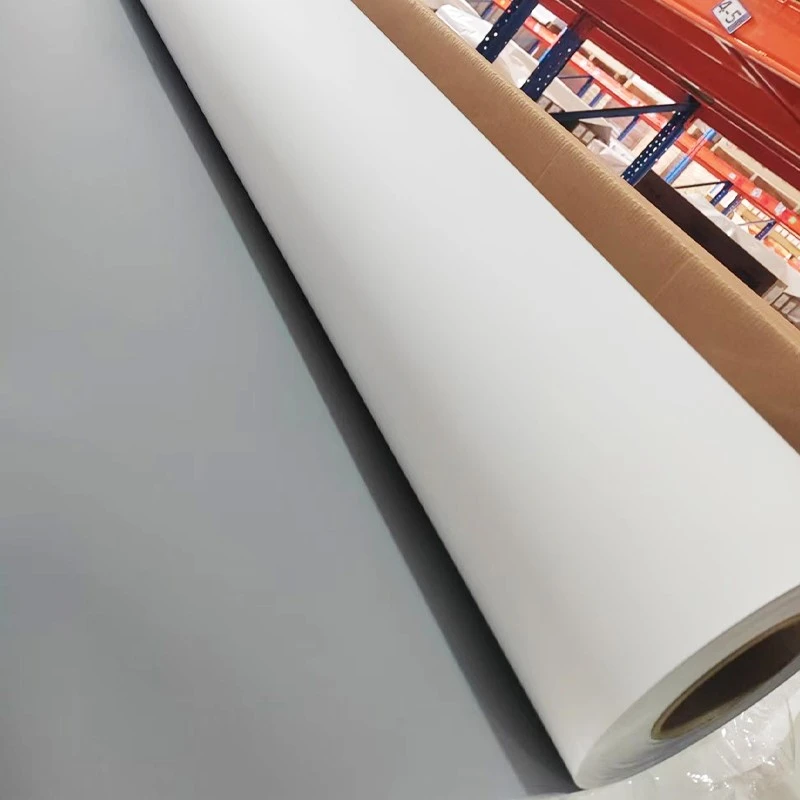
White films, such as the Thick PET Roll Up Banner and Thin PET Roll Up Banner, are typically made from polymers like polyethylene terephthalate (PET). These films are flexible, lightweight, and can be easily cut, shaped, and rolled. They have a smooth surface, which makes them ideal for printing high - quality graphics. The thickness of white films can vary, ranging from very thin sheets used in packaging to thicker ones for more durable applications like banners.
One of the key physical properties of white films is their transparency or opacity. Some white films are semi - transparent, allowing a certain amount of light to pass through, while others are completely opaque. For example, the PET Grey Back Film is designed to provide a high - contrast background for printed images, with its grey back enhancing the visual impact of the front - side print.
White Powder
White powders, on the other hand, are composed of fine particles. They can be made from a variety of materials, including minerals, chemicals, and polymers. The particle size of white powders can vary significantly, from very fine powders used in cosmetics to coarser ones used in industrial applications.
White powders are typically in a loose, granular form. They do not have a fixed shape and can be poured or spread easily. Unlike white films, powders do not have a continuous surface and are more likely to disperse in the air if not handled properly.
Chemical Composition
White Film
The chemical composition of white films depends on the base polymer used. For PET films, the main component is polyethylene terephthalate, a thermoplastic polymer. This polymer is known for its high strength, good chemical resistance, and excellent dimensional stability. Other additives may be added to the film during the manufacturing process to enhance its properties, such as UV stabilizers to protect against sunlight damage, anti - static agents to prevent static buildup, and colorants to achieve the desired white color.
White Powder
White powders can have a wide range of chemical compositions. For example, calcium carbonate is a common white powder used in the paper, paint, and plastic industries. It is a natural mineral that is relatively inexpensive and has good chemical stability. Another example is titanium dioxide, which is widely used as a white pigment in paints, coatings, and plastics due to its high refractive index and excellent hiding power.
Applications
White Film
White films have a diverse range of applications across various industries. In the advertising and signage industry, they are used to create eye - catching banners, posters, and displays. The smooth surface of the film allows for high - resolution printing, making it possible to produce vivid and detailed graphics. For example, the Thick PET Roll Up Banner is suitable for outdoor use, as it is durable and can withstand harsh weather conditions.

In the packaging industry, white films are used to package food, pharmaceuticals, and consumer goods. They provide a protective barrier against moisture, oxygen, and light, helping to extend the shelf life of the products. Additionally, white films can be printed with product information and branding, enhancing the visual appeal of the packaging.
White Powder
White powders are also widely used in different industries. In the paint and coating industry, they are used as pigments to provide color and opacity to the paint. Titanium dioxide, for example, is the most commonly used white pigment due to its excellent whiteness and hiding power. In the pharmaceutical industry, white powders are used as excipients in tablet and capsule formulations. They can act as fillers, binders, or disintegrants, helping to form the final dosage form.
In the cosmetic industry, white powders such as talc and kaolin are used in products like powders, foundations, and blushes. They provide a smooth texture and help to absorb oil and moisture from the skin.
Advantages and Disadvantages
White Film
Advantages:
- Flexibility: White films can be easily bent, folded, and rolled, making them suitable for a variety of applications.
- Printability: The smooth surface of the film allows for high - quality printing, enabling the creation of detailed and vibrant graphics.
- Durability: Many white films are resistant to moisture, chemicals, and UV radiation, ensuring long - lasting performance.
Disadvantages:
- Cost: High - quality white films can be relatively expensive, especially those with special properties such as UV resistance or high - gloss finish.
- Environmental impact: Some films are made from non - biodegradable polymers, which can contribute to environmental pollution if not properly disposed of.
White Powder
Advantages:
- Versatility: White powders can be used in a wide range of applications, from industrial to consumer products.
- Cost - effectiveness: Many white powders are relatively inexpensive, making them a cost - effective option for various industries.
- Ease of use: Powders can be easily mixed with other substances, allowing for the creation of customized formulations.
Disadvantages:
- Dust generation: Powders can generate dust when handled, which can be a health hazard if inhaled.
- Storage and handling: Powders need to be stored in a dry and sealed environment to prevent clumping and contamination.
Conclusion
In conclusion, white films and white powders are two distinct forms of white substances with their own unique physical properties, chemical compositions, applications, and advantages. As a white film supplier, I understand the importance of choosing the right material for your specific needs. Whether you are looking for a durable banner material or a high - quality packaging film, our range of products, including the Thick PET Roll Up Banner, PET Grey Back Film, and Thin PET Roll Up Banner, can provide the solution you need.
If you are interested in learning more about our white film products or have any questions regarding their applications, please feel free to contact us. We are more than happy to assist you in finding the best product for your requirements and look forward to the opportunity to discuss potential procurement opportunities with you.
References
- "Plastics in Packaging: Properties, Processing, and Applications" by John W. S. Hearle
- "Pigments and Fillers Handbook" by Geoffrey D. Parfitt
- "Cosmetic Science and Technology" by Marie L. Draelos