

Hey there! I'm a supplier of PVC Celuka Board, and while I'm a big fan of this product, I also know it's not all sunshine and rainbows. In this blog, I'm gonna talk about some of the disadvantages of PVC Celuka Board.
1. Environmental Concerns
One of the biggest knocks against PVC Celuka Board is its environmental impact. PVC, or polyvinyl chloride, is made from chlorine, which is a pretty toxic chemical. When PVC is produced, it releases dioxins, which are some seriously harmful pollutants. These dioxins can cause all sorts of health problems, including cancer, birth defects, and damage to the immune system.
Even when PVC Celuka Board is being used, it can still be a problem. If it's burned, it releases more dioxins into the environment. And when it finally reaches the end of its life, it can take hundreds of years to break down in a landfill. This means that it's not a very sustainable option, especially in today's world where we're all trying to be more eco - friendly.
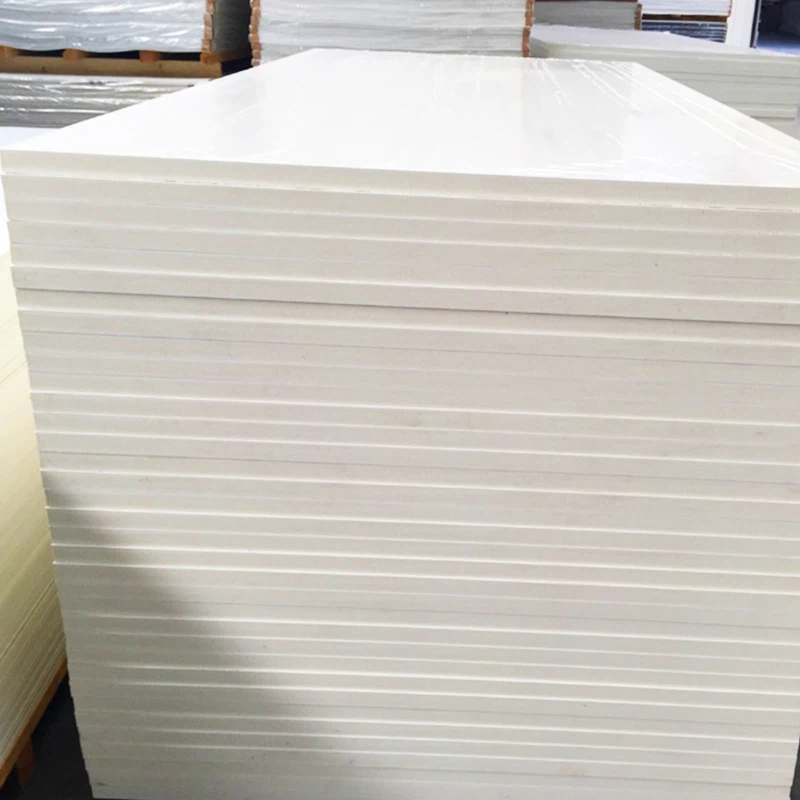

If you're looking for a more environmentally friendly alternative, you might want to check out PVC Free Foam Board. It doesn't have the same environmental drawbacks as PVC Celuka Board.
2. Durability Issues
While PVC Celuka Board is generally pretty durable, it does have its limits. One of the main durability issues is its susceptibility to scratches and dents. If you're using it in a high - traffic area or for applications where it's likely to get bumped around, it can start to look pretty beat up over time.
UV exposure is another problem. Over time, prolonged exposure to sunlight can cause the board to fade and become brittle. This can reduce its lifespan and make it less effective for outdoor applications. If you're using PVC Celuka Board outdoors, you'll need to take extra precautions to protect it from the sun, like applying a UV - resistant coating.
In comparison, PVC Rigid Sheet might be a better option if you need something more resistant to scratches and UV damage.
3. Cost
PVC Celuka Board can be a bit pricey. The manufacturing process for this board is more complex compared to some other materials, and this drives up the cost. When you're on a tight budget, this can be a real deal - breaker.
Also, if you need to purchase a large quantity of PVC Celuka Board, the cost can really add up. This can be a problem for small businesses or individuals who are looking for a more affordable option for their projects.
4. Chemical Emissions
PVC Celuka Board can emit volatile organic compounds (VOCs). These are chemicals that can have a negative impact on indoor air quality. When you're using PVC Celuka Board indoors, especially in a poorly ventilated area, these VOCs can build up and cause health problems like headaches, dizziness, and respiratory issues.
If you're using PVC Celuka Board in an indoor space, it's important to make sure the area is well - ventilated. You might also want to consider using low - VOC or VOC - free alternatives if you're concerned about the air quality.
5. Limited Temperature Resistance
PVC Celuka Board doesn't handle extreme temperatures very well. In high temperatures, it can start to warp and lose its shape. This can be a major problem if you're using it in an environment where the temperature fluctuates a lot, like in a greenhouse or an outdoor storage area.
On the other hand, in very cold temperatures, the board can become brittle and more prone to cracking. So, if you're in an area with extreme temperature variations, you might need to think twice before using PVC Celuka Board.
6. Recycling Challenges
Recycling PVC Celuka Board is not as straightforward as recycling some other materials. The complex chemical composition of PVC makes it difficult to recycle. There aren't as many recycling facilities that can handle PVC, and the recycling process itself is more expensive and energy - intensive.
This means that a lot of PVC Celuka Board ends up in landfills instead of being recycled. As I mentioned earlier, this is not great for the environment, especially when we're trying to reduce waste and promote a circular economy.
7. Aesthetic Limitations
While PVC Celuka Board can look good, it has some aesthetic limitations. The surface finish might not be as smooth or as high - quality as some other materials. And when it comes to color options, they can be a bit limited. If you're looking for a very specific color or a high - end finish, you might be disappointed with what PVC Celuka Board has to offer.
Conclusion
Despite these disadvantages, PVC Celuka Board still has its place in the market. It's a versatile material that can be used in a variety of applications, from advertising boards to furniture. But it's important to be aware of its drawbacks so you can make an informed decision when choosing materials for your projects.
If you're still interested in PVC Celuka Board or want to learn more about our products, feel free to reach out to us. We're always happy to have a chat about your needs and see if our PVC Celuka Board is the right fit for you. Whether you're a small business owner or a DIY enthusiast, we can help you find the best solution for your project.
References
- "The Environmental Impact of PVC." Environmental Protection Agency.
- "Health Effects of Volatile Organic Compounds." World Health Organization.
- "Temperature Resistance of Plastics." Plastics Industry Association.