

Hey there! As a supplier of PVC foam boards, I've gotten a ton of questions about how to bend these boards. It's a common need, especially for those in the advertising and DIY industries. So, I thought I'd share some tips and tricks on how to bend PVC foam board like a pro.
Why Bend PVC Foam Board?
First off, let's talk about why you might want to bend PVC foam board in the first place. PVC foam board is a versatile material that's used for a wide range of applications, from signage and displays to furniture and cabinetry. Bending the board allows you to create custom shapes and curves that can add a unique touch to your projects. Whether you're looking to create a curved sign or a rounded corner on a piece of furniture, bending PVC foam board can help you achieve the look you want.
Types of PVC Foam Board
Before we dive into the bending process, it's important to understand the different types of PVC foam board available. There are three main types: PVC Celuka Board, PVC Free Foam Board, and PVC Rigid Sheet.
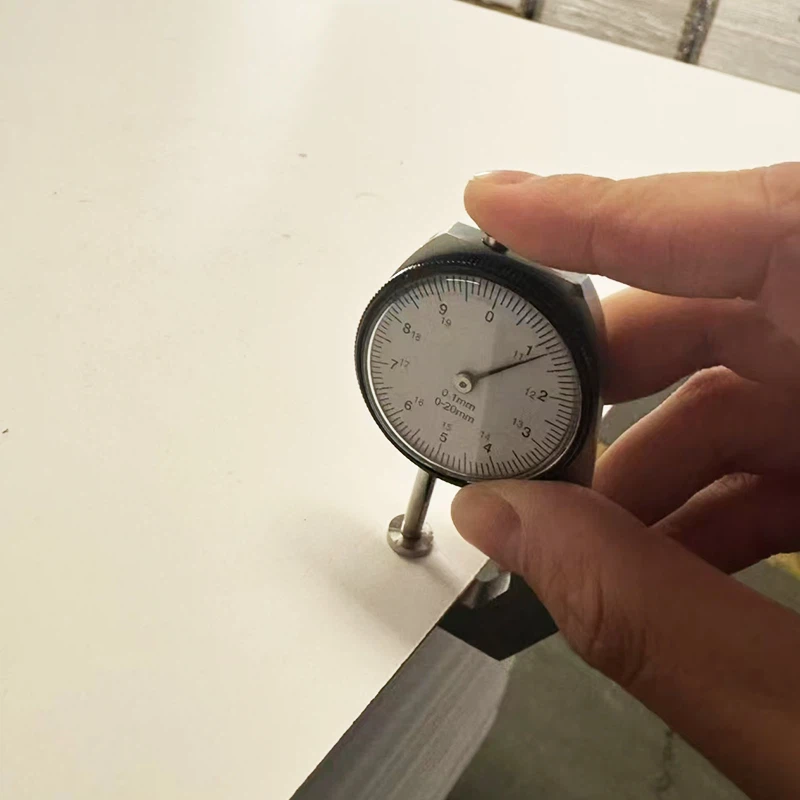

- PVC Celuka Board: This type of board has a closed-cell structure, which makes it more rigid and durable than other types of PVC foam board. It's often used for outdoor signage and displays because it can withstand harsh weather conditions.
- PVC Free Foam Board: As the name suggests, this type of board is free of PVC, making it a more environmentally friendly option. It's also lightweight and easy to work with, making it a popular choice for DIY projects.
- PVC Rigid Sheet: This type of board is the most rigid and durable of the three. It's often used for applications that require a high level of strength and stability, such as furniture and cabinetry.
Tools and Materials You'll Need
Now that you know the different types of PVC foam board available, let's talk about the tools and materials you'll need to bend the board. Here's a list of the essentials:
- Heat source: You'll need a heat source to soften the PVC foam board and make it pliable. A heat gun is the most common tool used for this purpose, but you can also use a hair dryer or an oven.
- Bending jig: A bending jig is a tool that helps you bend the PVC foam board into the desired shape. You can make your own bending jig using a piece of wood or metal, or you can purchase one from a hardware store.
- Measuring tools: You'll need a measuring tape or ruler to measure the length and width of the PVC foam board, as well as the angle of the bend.
- Safety equipment: Bending PVC foam board can be dangerous, so it's important to wear safety equipment, such as gloves and goggles, to protect yourself from burns and other injuries.
The Bending Process
Now that you have all the tools and materials you need, it's time to start bending the PVC foam board. Here's a step-by-step guide to the process:
- Measure and mark the board: Use a measuring tape or ruler to measure the length and width of the PVC foam board, as well as the angle of the bend. Mark the board with a pencil or marker to indicate where you want to make the bend.
- Set up the bending jig: If you're using a bending jig, set it up in a safe and stable location. Make sure the jig is the correct size and shape for the PVC foam board you're using.
- Heat the board: Use a heat gun or other heat source to heat the PVC foam board along the marked line. Move the heat source back and forth evenly to ensure that the board is heated evenly. Be careful not to overheat the board, as this can cause it to warp or melt.
- Bend the board: Once the board is heated and pliable, carefully bend it around the bending jig. Use your hands or a tool to hold the board in place while it cools and hardens.
- Cool the board: Allow the board to cool and harden completely before removing it from the bending jig. This may take several minutes, depending on the thickness of the board and the temperature of the environment.
- Trim the edges: Once the board is cool and hard, use a saw or other cutting tool to trim the edges of the board to the desired length and shape.
Tips and Tricks
Here are some tips and tricks to help you bend PVC foam board like a pro:
- Use a heat gun with a temperature control: A heat gun with a temperature control allows you to adjust the temperature of the heat source, which can help you avoid overheating the board.
- Use a bending jig with a smooth surface: A bending jig with a smooth surface will help prevent the PVC foam board from sticking or getting damaged during the bending process.
- Work in a well-ventilated area: Bending PVC foam board can produce fumes, so it's important to work in a well-ventilated area to avoid inhaling the fumes.
- Practice on a scrap piece of board: Before you start bending the PVC foam board for your project, practice on a scrap piece of board to get a feel for the process and to make sure you're using the right techniques.
Conclusion
Bending PVC foam board is a great way to add a unique touch to your projects. With the right tools, materials, and techniques, you can bend PVC foam board into a variety of shapes and curves to create custom signage, displays, furniture, and more. If you have any questions or need help with bending PVC foam board, don't hesitate to contact us. We're here to help you get the most out of your PVC foam board and to ensure that your projects are a success.
References
- PVC Foam Board: A Comprehensive Guide. (n.d.). Retrieved from /advertising-board/pvc-foam-board/
- How to Bend PVC Pipe. (n.d.). Retrieved from https://www.doityourself.com/stry/how-to-bend-pvc-pipe
- Tips for Bending PVC Foam Board. (n.d.). Retrieved from https://www.homedepot.com/c/ah/tips-for-bending-pvc-foam-board/9ba683603be9fa5395fab905275d7f6